

Foundation Stage
Welcome to our Wonderful Foundation Stage
The Early Years Foundation Stage (EYFS) at Chapelfield Primary School consists of our Nursery and two Reception classes. All classes are taught by experienced, highly qualified staff who deliver our bespoke Early Years curriculum, carefully developed in accordance with the EYFS Statutory Framework.
Curiosity Starts Here!
At Chapelfield Primary School, we build the foundation for lifelong learning. Through hands-on exploration and a close partnership with parents, we nurture independent, curious children, giving them the best possible start to their school life.
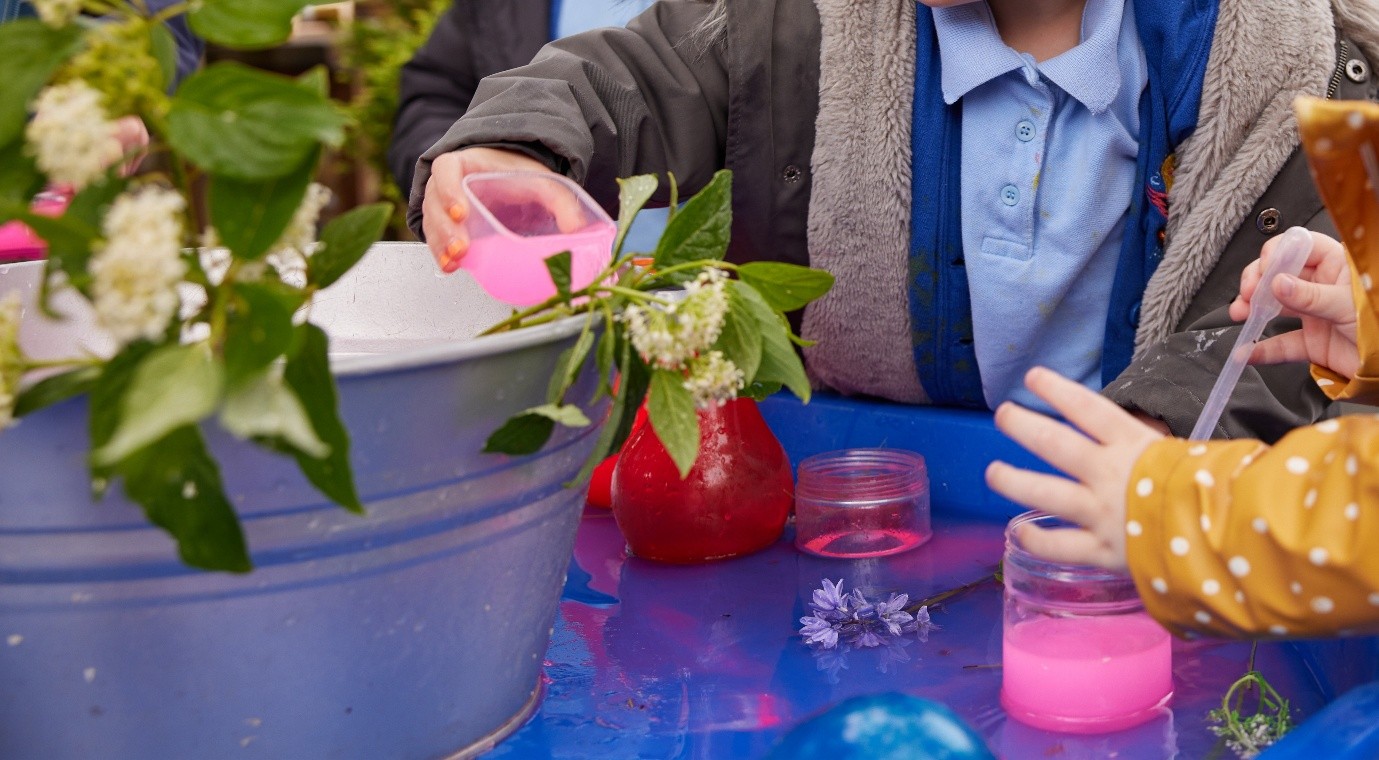
Our Early Years Journey
We believe that early childhood is a magical time of discovery. Our curriculum is thoughtfully crafted to nurture and celebrate your child’s whole development—intellectual, physical, and emotional. By blending playful, real-world themes with active learning, we bring the EYFS framework to life every day.
The Prime Areas (Our Foundations)
These three core areas are crucial for igniting children’s curiosity and enthusiasm for learning, forming the building blocks for everything else they do:
- Personal, Social, and Emotional Development: Building confidence, managing feelings, making friends, and growing in independence.
- Communication and Language: Developing rich back-and-forth conversations, listening skills, and a love for sharing thoughts.
- Physical Development: Growing strong bodies through energetic gross motor play (running, climbing) and refining delicate fine motor skills (holding pencils, using tools).
The Specific Areas (Our Essential Skills)
As children grow, these areas broaden their skills and help them make sense of the world around them:
- Literacy: Linking sounds to letters through phonics, sharing beautiful stories, and exploring early mark-making.
- Mathematics: Playing with numbers, counting real objects, spotting patterns, and exploring shapes and spaces.
- Understanding the World: Wondering about nature, exploring our local community, and learning about different people and technology.
Expressive Arts and Design: Creating with messy play, building complex structures, and expressing imagination through role-play, music, and art.
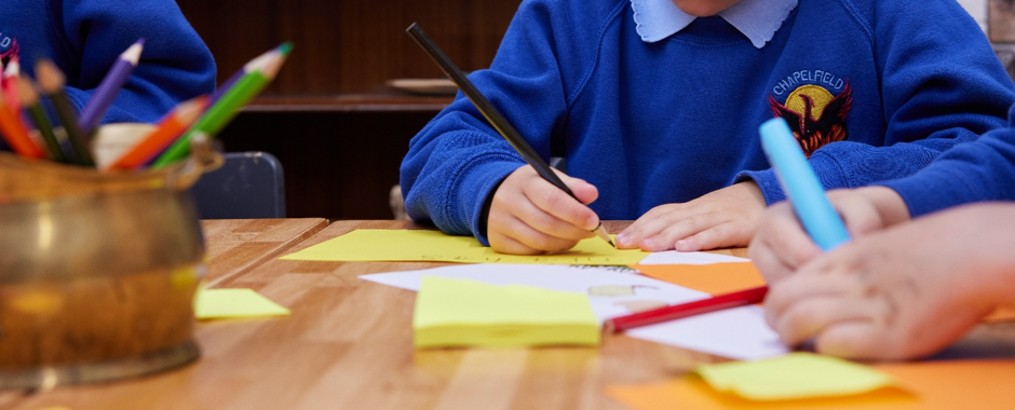
How We Learn: Characteristics of Effective Learning
We don't just focus on what children learn, but how they learn. We passionately support the three statutory Characteristics of Effective Learning to help children become lifelong learners:
- Playing and Exploring (Engagement): Children are encouraged to 'have a go', investigate, and experience things first-hand.
- Active Learning (Motivation): We help children maintain focus, persevere when they encounter difficulties, and celebrate their achievements.
- Creating and Thinking Critically (Thinking): Children develop their own ideas, make links between concepts, and choose their own ways to solve problems.
Our Learning Environments
The Indoor Classroom
We view our learning spaces as an extra teacher. Every corner of our indoor environment is intentionally designed to invite children to wonder, explore, and problem-solve. Through purposeful continuous provision and carefully planned "invitations to play," we nurture the natural independence, and resilience children need to step confidently into Key Stage 1 and beyond.
The Outdoor Classroom
Our outdoor space is an essential component of our teaching approach. It provides a dynamic, meaningful environment where children can:
- Explore, discover, and experiment together or independently.
- Develop a sense of wonder and awe in the natural world.
- Test their physical capabilities, take calculated risks, and practice new skills.
- Consolidate their learning through joyful, active play.
How Learning is Structured
Our Nursery and Reception curriculum is driven by high-quality key texts that spark our learning journeys. We balance structured, adult-led activities with rich opportunities for child-initiated exploration. By utilizing their deep knowledge of each child, our staff tailor learning to meet unique individual needs.
To support this journey, we embed the ShREC approach to foster language-rich interactions. Moving away from simply asking testing questions, our team focuses on meaningful, back-and-forth conversations by:
- Sharing attention to notice what a child is interested in.
- Responding warmly to their focus.
- Expanding on their speech and vocabulary.
- Connecting ideas to deepen their understanding.
Our Core Teaching Pillars
- Balanced Learning: A deliberate mix of engaging, child-initiated play and explicit, direct teaching.
- Language-Rich Classrooms: Continuous exposure to a wealth of vocabulary through high-quality books and high-quality interactions.
- Positive Role Models: Caring, dedicated staff who model positive learning behaviours and emotional regulation.
- Tailored, Inclusive Support: Individualised learning experiences that respect and adapt to each child's unique developmental stage.
Early Reading and Phonics
Phonics is taught daily as part of a broad, text-rich curriculum that develops confident reading, writing, and spelling. Our approach is multi-sensory, encompassing simultaneous visual, auditory, and kinaesthetic activities that keep learning fun and engaging.
- Nursery: We follow the Letters and Sounds (Phase One) framework until the summer term to build vital pre-reading and listening skills. We then transition to Read Write Inc.
- Reception: We follow the Write Inc programme as our systematic synthetic phonics scheme.
Phonics knowledge is reinforced and applied across the entire school day. Children regularly practice blending and segmenting, read fully decodable books precisely matched to the sounds they know, and enjoy daily stories, rhymes, and songs to promote a lifelong love of reading.
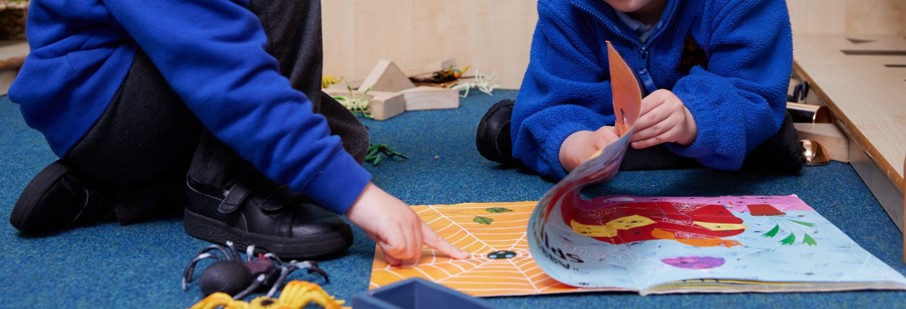
We are committed to ensuring every child thrives. Learning and environment provisions are dynamically adapted so that all children can access the curriculum at their specific developmental stage. In strict alignment with our school SEND policy, we seamlessly integrate visual supports, environmental adjustments, sensory breaks, and targeted interventions. We work in close, transparent liaison with families and external professionals to ensure no child is left behind.
Admissions
For information on admissions please see our admissions policy here.